
Track 01 · Earning
More points from spending you already do
None of this requires spending more. It's about routing the money already leaving your account through the paths that pay, and knowing which offers are worth the effort.
None of this requires spending more. It's about routing the money already leaving your account through the paths that pay, and knowing which offers are worth the effort.
All three are on this page. Pick where you want to start.
Most people put everything on one card and lose a third of what they could have earned. The whole trick is knowing which card to reach for at which register. Here is what each card pays, and where.

Annual fee $95 · Earns Ultimate Rewards
The first real travel card. Broad, forgiving, low fee.
The one I'd hand someone starting out. Ultimate Rewards transfer to Hyatt, United, Air Canada and others, so the points reach real award charts rather than only your card's own travel site.
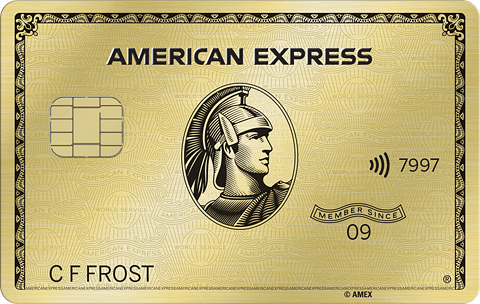
Annual fee $325 · Earns Membership Rewards
People who spend heavily on food.
The supermarket and dining rates are the best broadly available anywhere, and Membership Rewards is the currency that reaches Avios. The fee is only worth it if you actually use the statement credits.
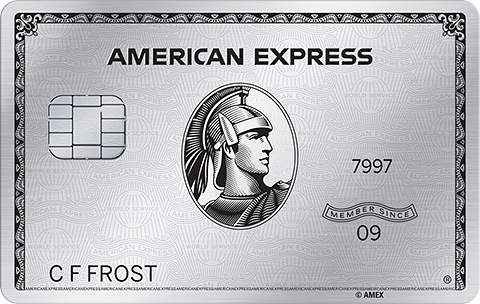
Annual fee $895 · Earns Membership Rewards
Lounge access and airfare, not everyday spending.
A poor earning card and an excellent benefits card. Put nothing on it except airfare. The fee only makes sense if the lounge access and credits are worth more to you than the cash, and for most people they are not.
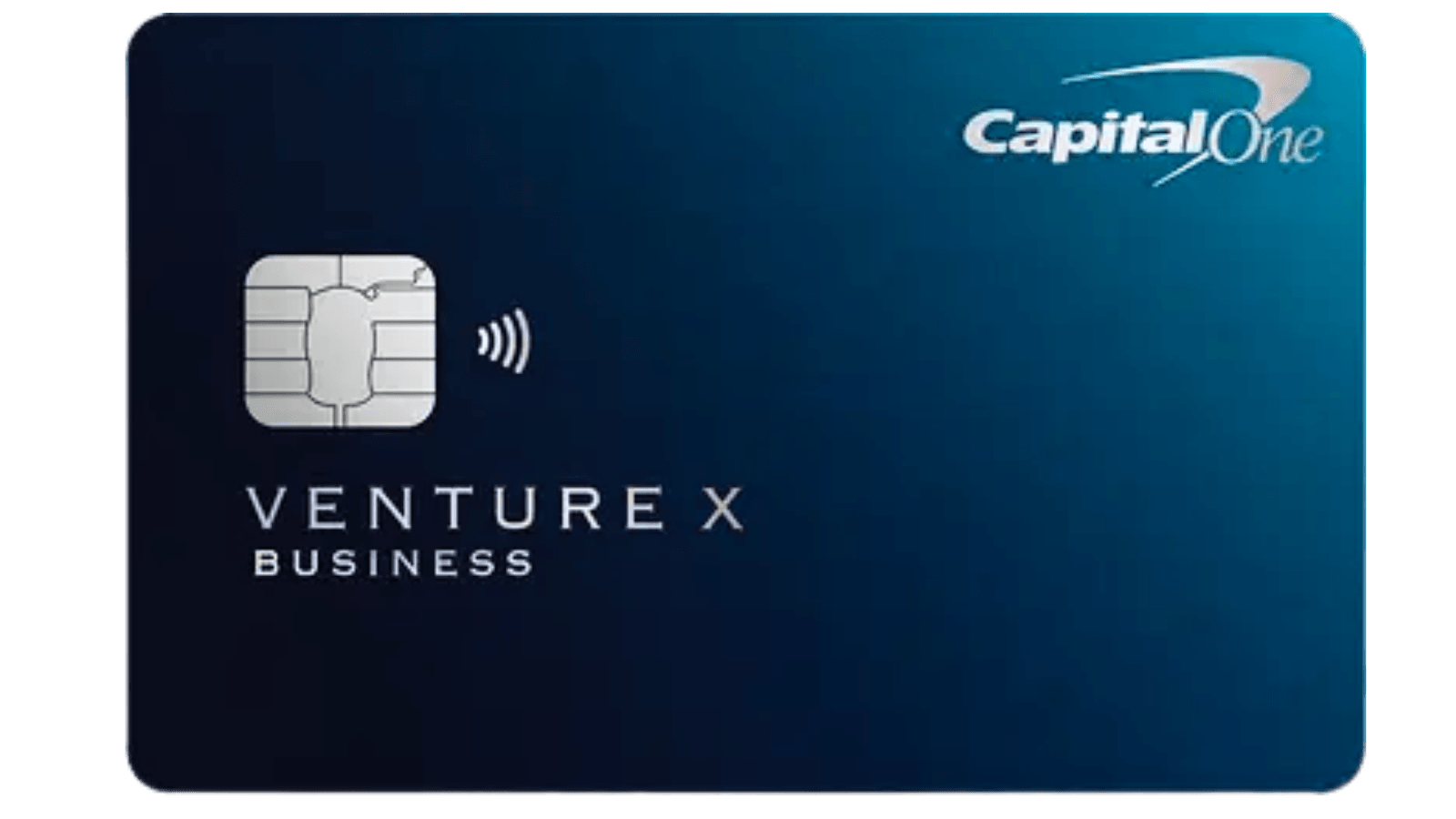
Annual fee $395 · Earns Capital One Miles
A simple everything card with a travel credit that covers most of the fee.
2x on everything with no categories to track is genuinely rare, and the annual travel credit plus anniversary miles offset most of the fee. Transfer partners are decent but thinner than Chase or Amex.
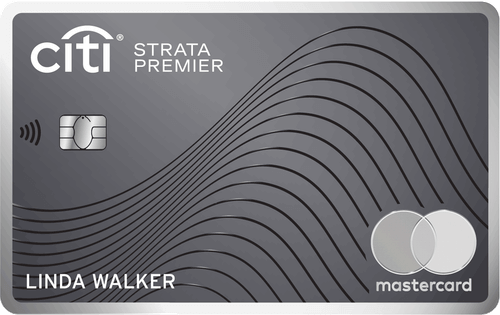
Annual fee $95 · Earns ThankYou Points
Broad 3x categories at a low fee.
The most underrated card on this list. Four separate 3x categories for a $95 fee, and ThankYou Points reach a transfer list most people never look at.
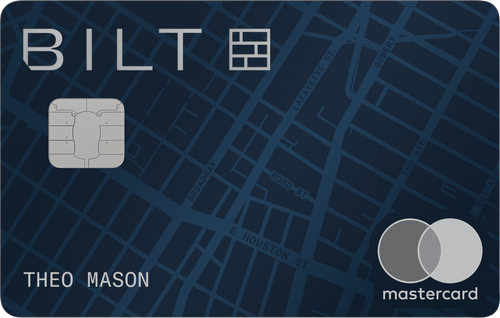
Annual fee None · Earns Bilt Points
Anyone paying rent, at no cost to try.
The no-fee tier, and the one worth starting with. Rent is the largest payment most people make and almost no card lets you earn transferable points on it. Bilt requires a set number of transactions each statement period to earn anything at all, so read that rule before you rely on it.
A multiplier is only worth chasing if you were spending the money anyway. 4x on groceries is excellent when you were going to buy groceries and worthless as a reason to buy more of them. The same applies to annual fees: a $325 card is only cheaper than a $95 card if you genuinely use the credits, and most people count credits they never redeem. Work out what you actually spend, in what categories, before you decide which card belongs in your wallet.
A welcome offer hands you a large block of points for spending you were largely going to do anyway, usually within the first few months of holding the card. It arrives in one lump rather than building up slowly, which is why a single well-timed application can put a business class seat within reach in a quarter rather than a year. You keep earning the everyday rates afterwards, so nothing is traded away.
Offers move. The same card can be worth considerably more one month than the next, so it is worth waiting for a strong one rather than applying the day you decide.
Banks restrict how often you can earn a welcome offer on the same card, and some limit how many cards you can open in a period. Spend the opportunity carefully.
If hitting the target means buying things you did not want, the bonus has cost you more than it gave. Only open a card when the spending is already coming.
Where a bonus says "up to", the offer varies by applicant and by how you apply, so the figure shown is the highest publicly advertised. Offers change often. Always confirm on the bank's own site before applying.
Retailers pay a commission to whoever sends them a customer. A shopping portal is a middleman that hands most of that commission back to you. You buy the same thing, from the same store, at the same price. You simply arrive by a different door. The only cost is remembering to do it.
Rakuten is the best known of these, and the one worth setting up first. The trick most people miss is the payout: take it as Amex points rather than cash and the same cash back is worth substantially more.
There are four ways to be paid, and the one you pick changes what the same shopping is worth. Two of them pay in points.
The change worth knowing about. When Bilt launched as a Rakuten payout option it paid 1:1 for everyone regardless of status. That introductory rate ended with the May 2026 payout. Since then only Silver and above keep the full rate, and Blue members earn half. If you switched to Bilt during the promotion and have not looked since, it is worth checking which tier you are in.
How to decide. No Amex and no Bilt status, take the cash. Amex but no Bilt status, take Membership Rewards. Bilt Silver or above, Bilt points are arguably the better of the two, because they transfer to World of Hyatt and Atmos Rewards and Amex points do not.
Two details people miss: the accounts must be linked and use the same email address, and points earned this way do not count toward Bilt elite status. Rakuten pays quarterly, so the currency you are set to now decides what your next payout arrives as, not what was selected when you shopped.
Before buying anything online, search the store's name inside Rakuten and click through from there.
Same site, same cart, same price. Rakuten has simply recorded that it sent you.
Set your Rakuten payout to Amex Membership Rewards instead of a check. That converts at roughly 1 point per 1% of cash back.
Rakuten's rates move constantly. The same store can be 1% one week and 10% the next, and that is the whole game: buy nothing you weren't already buying, and wait for the number to go up on the things you were. Points shown assume roughly 1 point per 1% of cash back. Confirm the payout on each offer rather than assuming it holds.
New Rakuten accounts opened from someone's referral earn a bonus that the standard sign-up does not. Mine is below.
In Rakuten's account settings, change your payment method to Amex Membership Rewards. Do this before your first purchase, not after.
Through any store on Rakuten. Something you were buying anyway counts, which is rather the point.
Rakuten pays quarterly, so the bonus and your earnings arrive together on the next cycle. It is not instant.
This is a referral link. If you sign up through it, I earn a referral bonus and so do you: 5,000 Amex Membership Rewards points after $50 of spending in your first 90 days. It costs you nothing extra and I would recommend Rakuten either way. Terms change often, so check Rakuten's own page before signing up.
Rakuten pays out best into Amex points, which assumes you hold an Amex. Plenty of people do not, and plenty more do not want one. Rove is the way around that: a free program with no card attached. Shop through its site, or book flights and hotels through it, and you earn a currency you can transfer to real airline programs. No application, no annual fee, no credit check.
It is also worth having if you already hold every card on this page, because Rove miles are earned on top of whatever your card pays on the same transaction.
Free to join, no application, no annual fee. You keep paying with whatever cards you already hold.
Bonus miles through the site or a browser extension. Rates vary by merchant.
Depends on the property, the rate and the dates. Not a flat rate.
You should still earn the airline's own miles and status credit on an eligible fare.
Airline and hotel programs, most advertised at 1:1. Check the ratio before moving anything.
Rove's terms say miles do not expire while the account is open and in good standing. Currently is doing real work in that sentence.
On hotels, Rove offers two kinds of rate and they behave completely differently. This is not automatic and it is not every booking. You have to pick the right rate deliberately.
To keep the hotel side you must select a rate marked Loyalty Eligible and enter your Marriott, Hyatt, Hilton or IHG number at checkout. The booking should then show up in the hotel's own app. Choose the standard rate instead and you are trading points, elite nights and status benefits for a bigger pile of Rove miles.
The genuinely unusual part: pay for a Loyalty Eligible stay with Rove miles and it is still treated as a paid stay, so the hotel rewards can still land. That is rare, and it is the strongest single reason to know this program exists.
Which one to pick: if you care about the hotel's points or you are chasing status, take Loyalty Eligible unless the other multiplier is extraordinary. Either way, compare the price and the cancellation terms against booking direct before you pay.
Twenty airline and hotel programs, most advertised at 1:1. Transferring out is what separates a real currency from a booking site's loyalty scheme.
The number is not the point. The useful part is that a handful of these are difficult or impossible to reach from Chase, Amex, Capital One or Citi: Japan Airlines, Lufthansa Miles & More, SAS EuroBonus, Qantas, Hainan and Vietnam Airlines. If one of those reaches a trip you want, this is the way in.
Ratios, minimums and processing times vary. Transfers are final.
Rove also shows cash fares, direct miles prices and transfer-partner availability side by side, which saves searching each program separately. Worth comparing against what the miles are actually worth before you commit either way.
Referral link. If you sign up through it I earn miles, and so do you. It costs you nothing, and I would point you at Rove either way.
Sign up for RoveEarning rates vary and change. Shopping miles depend on the merchant tracking your click and can take a month or more to post. Redemption values move. Transfers are final, so confirm availability first. Rove periodically runs transfer bonuses to selected partners; those are temporary and worth checking before you move anything.
Most airline and hotel programs have their own shopping portal, and the miles land straight in that program rather than in a flexible currency. That is the trade: less choice about where the points can go, but no transfer step either.
The rate for the same store differs across portals, often by a lot, and it changes constantly. Sites like Cashback Monitor compare them in one place, which takes about ten seconds and is worth doing before any purchase big enough to care about.
Most of the value, and nearly all of the expensive mistakes, come when you spend the points. That is where a balance becomes a seat.